

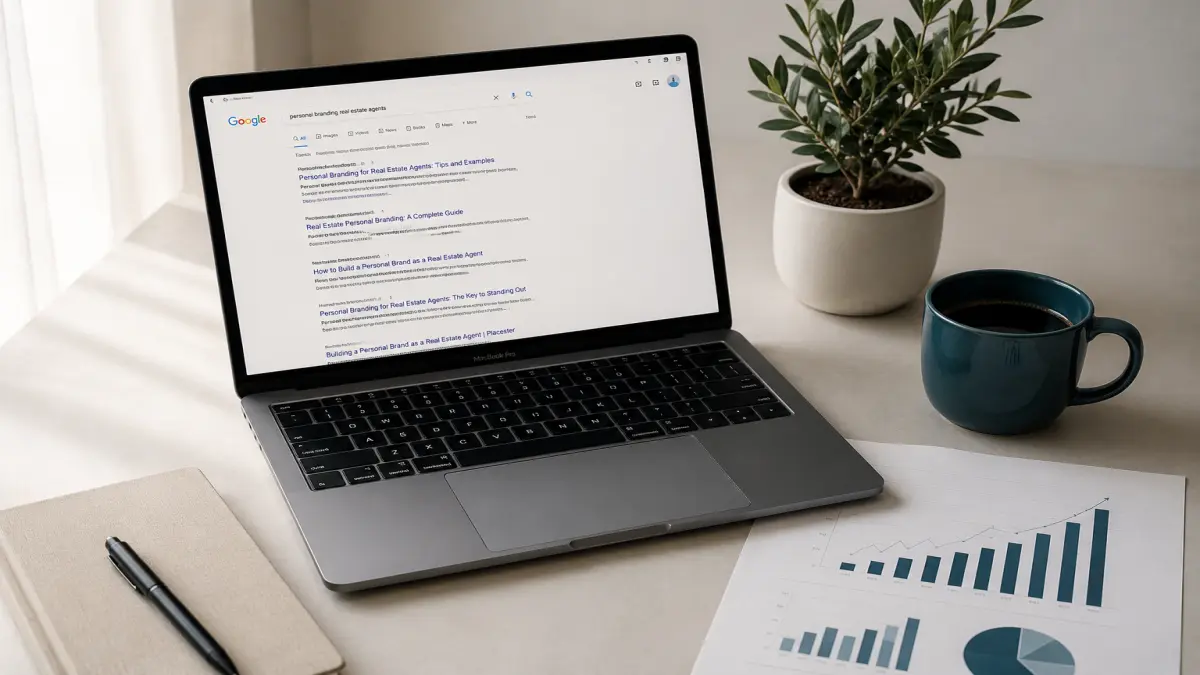
Most business owners have heard that SEO matters. Fewer understand exactly why — or what it actually does for their bottom line.
This guide answers that directly. No jargon. No fluff. Just a clear explanation of what SEO is, what it does for your business, and why ignoring it in 2026 is a competitive risk you can’t afford.
What Is SEO in Business?
SEO — Search Engine Optimization — is the process of making your website easier for search engines like Google to find, understand, and rank. When someone searches for a product or service you offer, SEO determines whether your business shows up or your competitor does.
“SEO for business” isn’t a separate concept from SEO in general. It simply means applying search optimization with a commercial goal: more visibility, more qualified traffic, more leads, more revenue.
A business with strong SEO owns a permanent, compounding asset. A business without it rents visibility from paid ads — and the moment the budget stops, so does the traffic.
Why Is SEO Important? The Core Reason
Search is still how most people find businesses. Over 90% of online experiences begin with a search engine. Google alone processes more than 8.5 billion searches per day.
When someone searches “accountant in Austin” or “best CRM for small business,” they have intent. They’re not browsing passively — they’re actively looking for a solution. SEO puts your business in front of those people at the exact moment they need what you offer.
That’s what makes it different from almost every other marketing channel. You’re not interrupting someone’s scroll with an ad. You’re showing up when they’re already looking.
How Does SEO Help Business? 6 Concrete Ways

1. It Generates Qualified, Consistent Traffic
Paid ads stop the moment your budget runs out. SEO builds traffic that compounds over time. A page that ranks on page one of Google can drive hundreds or thousands of visitors per month — for free — indefinitely.
More importantly, that traffic is qualified. People searching “local SEO for real estate agents” or “email marketing automation strategy” are already interested in exactly what you offer. They’re not cold. The conversion rate from organic search traffic is consistently higher than most paid channels.
2. It Builds Authority and Trust
Ranking near the top of Google sends an implicit signal to every visitor: this business is credible. People trust Google’s judgment. When your site consistently appears for relevant searches, that trust transfers to your brand — a concept sometimes called trust transference.
This is especially important for service businesses, B2B companies, and any industry where credibility is a buying factor. Your rankings are a form of social proof.
3. It Reduces Your Dependence on Paid Advertising
Paid search (Google Ads, Meta Ads) is fast but expensive. CPCs in competitive industries can run $10–$50 per click. SEO takes longer to build but, once established, delivers traffic at effectively zero marginal cost.
Businesses that invest in SEO early reduce their long-term customer acquisition costs significantly. The ROI of SEO typically improves every year — unlike paid ads, which reset when budgets change.
4. It Supports Every Stage of the Buying Journey
SEO isn’t just for people ready to buy. It works across the entire funnel:
- Awareness: Blog posts and guides attract people who are researching a problem
- Consideration: Comparison pages and case studies help people evaluate options
- Decision: Service pages and landing pages convert ready buyers
A strong SEO strategy covers all three stages, keeping your brand visible from first search to final conversion.
5. It Strengthens Your Local Presence
For businesses serving a specific geography — whether a law firm, a real estate agent, a hotel, or a restaurant — local SEO is one of the highest-ROI activities available.
Appearing in Google’s local map pack (the three business listings shown before organic results) can drive significant foot traffic and inquiries. Optimizing your Google Business Profile, earning local citations, and building location-specific content all feed into this.
Searches like “dentist near me” or “property manager in Miami” are high-intent and local. Local SEO makes sure your business is the answer.
6. It Delivers Compounding Returns Over Time
Unlike a paid campaign that delivers results only while it’s running, SEO compounds. A well-optimized article published today can rank for years. Each new piece of content, each backlink earned, each technical improvement adds to the foundation.
Businesses that started investing in SEO three years ago are seeing returns today that would be impossible to replicate with any paid budget at the same cost.
Is SEO Important for Every Business?
The honest answer: for most businesses with an online presence, yes.
There are some edge cases — a business that relies entirely on referrals, or operates in a market with near-zero search volume — where SEO might not be the priority. But these are rare.
If your customers use Google (and they do), then SEO is important for your business. The questions are really about how much to invest and where to start, not whether to invest at all.
SEO is especially critical for:
- Service businesses (agencies, consultants, law firms, accountants) where organic trust drives conversion
- E-commerce where product discoverability directly drives revenue
- Local businesses where map pack visibility captures high-intent local searches
- B2B companies where long buying cycles benefit from sustained visibility
- Real estate and hospitality where searchers compare many options before deciding
What Is SEO in Business Strategy? Where It Fits
SEO isn’t a standalone tactic. It integrates with your broader digital marketing strategy in several important ways.
SEO and content marketing are inseparable — content gives SEO something to rank, and SEO gives content an audience.
SEO and SEM (paid search) work best together. SEO builds long-term organic visibility; SEM delivers immediate results for competitive terms. They’re not competitors — they’re complements. Running both gives you data from paid campaigns (which keywords convert, which headlines perform) that directly improves your organic strategy.
SEO and CRO (conversion rate optimization) go hand in hand. Bringing more traffic to a page that doesn’t convert is wasted effort. Strong SEO and strong UX should be developed together.
SEO and brand marketing reinforce each other. A well-known brand earns more clicks from search results (higher CTR), earns more backlinks naturally, and ranks faster for new content.
What Does SEO Actually Do for a Company? The Technical Side, Simply Explained
For those who want to understand the mechanics without going deep into technical detail, here’s the short version.
Google uses automated programs called crawlers to discover and read web pages. It then stores and organizes this information in an index. When someone searches, Google’s algorithm sifts through that index and ranks pages based on relevance and authority.
Your SEO efforts influence three main signals:
Relevance — Does your content match what the searcher is looking for? This is shaped by your keywords, your headings, your content depth, and how well you address the searcher’s actual intent.
Authority — Does Google trust your site? This is shaped primarily by backlinks (other credible sites linking to you) and by the age and consistency of your site’s quality.
Experience — Does your site deliver a good experience? This covers page speed, mobile usability, security (HTTPS), clear navigation, and low bounce rates.
Get all three right consistently, and rankings follow.
SEO vs Paid Ads: Which Is Better for Business?
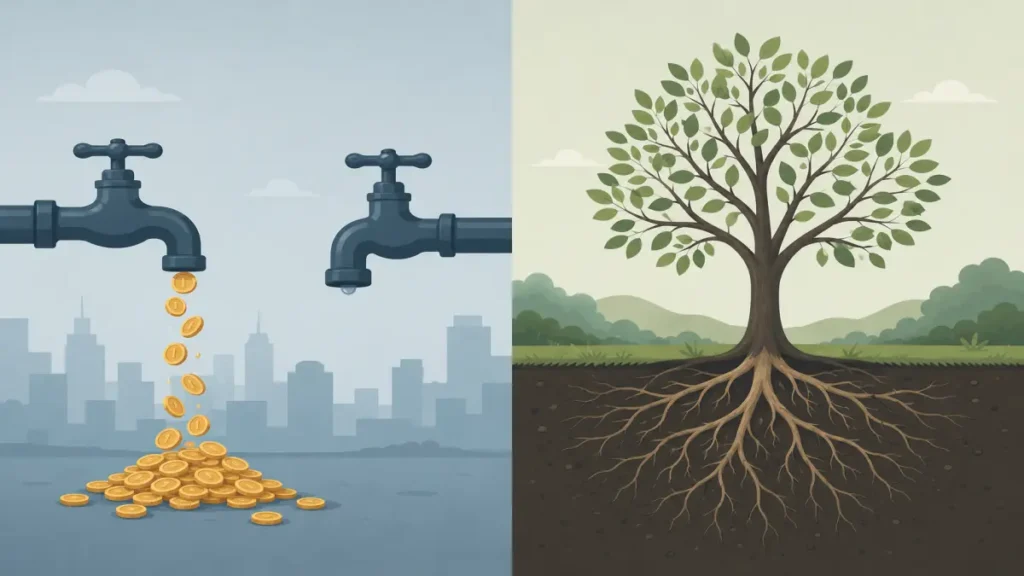
Neither is universally better. They serve different purposes on different timelines.
| SEO | Paid Ads (PPC) | |
| Time to results | 3–12 months | Immediate |
| Cost structure | Investment up front, low ongoing | Ongoing spend required |
| Traffic when budget stops | Continues | Stops |
| Trust signal to visitors | High (organic feels earned) | Lower (marked as ad) |
| Best for | Long-term growth, authority, compounding ROI | Launch, seasonal, testing, competitive terms |
Most mature businesses run both. Start with SEO for long-term foundation; use paid search for immediate visibility while SEO builds.
How Long Does SEO Take to Work?
This is one of the most common questions — and it deserves an honest answer.
For a new website with no existing authority: expect 6–12 months before significant organic traffic. For an established site targeting less competitive keywords: results can appear in 3–6 months. For highly competitive industries (insurance, legal, finance): meaningful rankings can take 12–24 months of consistent work.
The timeline depends on:
- Your site’s existing authority and age
- How competitive your target keywords are
- How consistently you publish and optimize
- The quality and quantity of backlinks you earn
The businesses that struggle with SEO are usually the ones that stopped too early. SEO rewards patience and consistency above almost everything else.
The 4 Things Every Business Needs for SEO Success
If you’re starting from zero or trying to fix a stalled SEO effort, focus here:
1. A technically sound website. Fast load times, mobile-friendly design, clean site architecture, proper indexation. If Google can’t crawl your site efficiently, nothing else matters.
2. Content that genuinely answers questions. Not content written for search engines — content written for people, optimized for search engines. The distinction matters. Google’s systems have become very good at detecting thin, low-value content.
3. Backlinks from credible sources. You don’t need hundreds. A handful of links from genuinely relevant, authoritative sites in your industry will outperform thousands of low-quality links.
4. Consistency over time. SEO is not a one-time project. It’s an ongoing commitment. Monthly content, regular technical audits, link-building over time, and adaptation to algorithm updates are all part of the job.
Whant to know more? Here’s how we approach it.
Why SEO Is Important for Your Business in 2026 Specifically
The SEO landscape has shifted meaningfully in the last two years, and those shifts make organic search more important for business, not less.
AI Overviews in Google Search — Google now sometimes answers queries directly in the results with AI-generated summaries. This reduces clicks for some informational queries. But it increases the importance of being cited as a source — which only happens when your site has genuine authority and well-structured content.
Rising ad costs — CPC prices in most industries have increased significantly. Organic search becomes relatively more attractive as paid alternatives get more expensive.
Search as trust — In a world flooded with AI-generated content and social media noise, people are returning to search as a trusted way to find credible information. Organic rankings still carry implicit trust that paid placements don’t.
Local search growth — “Near me” and local intent searches continue to grow. Local businesses that own their local SEO have a significant and durable competitive advantage.
Frequently Asked Questions
Why is SEO important for small businesses?
Small businesses often can’t out-spend large competitors on paid ads. SEO levels the playing field — a small business with better content and a smarter strategy can outrank much larger companies for the searches that matter most to them, especially locally.
How does SEO help businesses grow?
By consistently bringing qualified visitors to your site who are already searching for what you offer. Over time this compounds — more content, more rankings, more traffic, more conversions — without proportionally increasing your marketing spend.
What is the role of SEO in a company?
SEO sits at the intersection of marketing, content, and web development. Its role is to ensure the business is visible to its target audience in search engines — capturing demand that already exists rather than creating demand from scratch.
Why is technical SEO important?
Even the best content won’t rank if search engines can’t access it. Technical SEO — covering site speed, mobile usability, crawlability, structured data, and security — is the foundation everything else is built on. It’s often the fastest way to improve rankings on an established site.
Why is SEO better than SEM in some cases?
SEO’s advantage over paid SEM is sustainability. Once you rank, traffic is free and continues without ongoing spend. For businesses building for the long term, SEO delivers a higher lifetime ROI than SEM in most cases — though the two work best used together.
Is SEO important for a SaaS business?
Especially important. SaaS buyers research extensively before purchasing. Ranking for the problems your software solves — not just your brand name — puts you in front of buyers at the beginning of their journey, before they’ve even heard of your competitors.
Why do I need SEO if I’m already running Google Ads?
Because the moment you stop paying, the traffic stops. Paid ads and SEO serve different roles. Ads give you immediate visibility; SEO builds permanent equity in your online presence. Most businesses that rely exclusively on paid search find themselves increasingly dependent on an ever-more-expensive channel.
What does SEO stand for in business?
Search Engine Optimization. In a business context it refers specifically to the strategy and activities that improve a company’s visibility in organic (unpaid) search results, with the goal of driving qualified traffic and generating leads or revenue.
Conclusion
SEO is important for business because it puts you in front of people who are actively searching for what you offer — at the exact moment they’re looking — without paying for every click.
It builds authority over time, reduces dependence on expensive paid ads, supports every stage of the buying journey, and compounds in value the longer you invest in it.
The businesses winning in search right now didn’t start last month. The best time to invest in SEO was two years ago. The second best time is now.
If you want to build a growth website that earns traffic and converts it — let’s talk.